---
theme: seriph
title: "Lesson 04 — Why Doesn't a Stronger Model Make a Reliable Agent?"
info: "English video course for AI Agents in Depth"
author: Bojie Li
transition: slide-left
mdc: true
lineNumbers: false
monaco: false
aspectRatio: 16/9
canvasWidth: 980
layout: cover
class: cover
---
Build · Chapter 1 · Agent Fundamentals
# Why Doesn't a Stronger Model Make a Reliable Agent?
Harness engineering, orchestration, and guardrails
Lesson 04 of 42 · 17 minutes · Harness Engineering; Model Choice; Orchestration Patterns; Guardrails and Safety
---
layout: center
class: text-center
---
The central question
If models keep improving, why does the software around them keep getting more important?
---
# Why this problem matters
Constrain
Permissions, budgets, and valid action boundaries
Verify
Independent evidence that work is actually complete
Recover
Retries, fallbacks, checkpoints, and termination paths
---
# Three ideas to keep in view
Context engineering
Control what the model can see.
Loop engineering
Control when the system continues or stops.
Harness engineering
Control the complete runtime around the model.
---
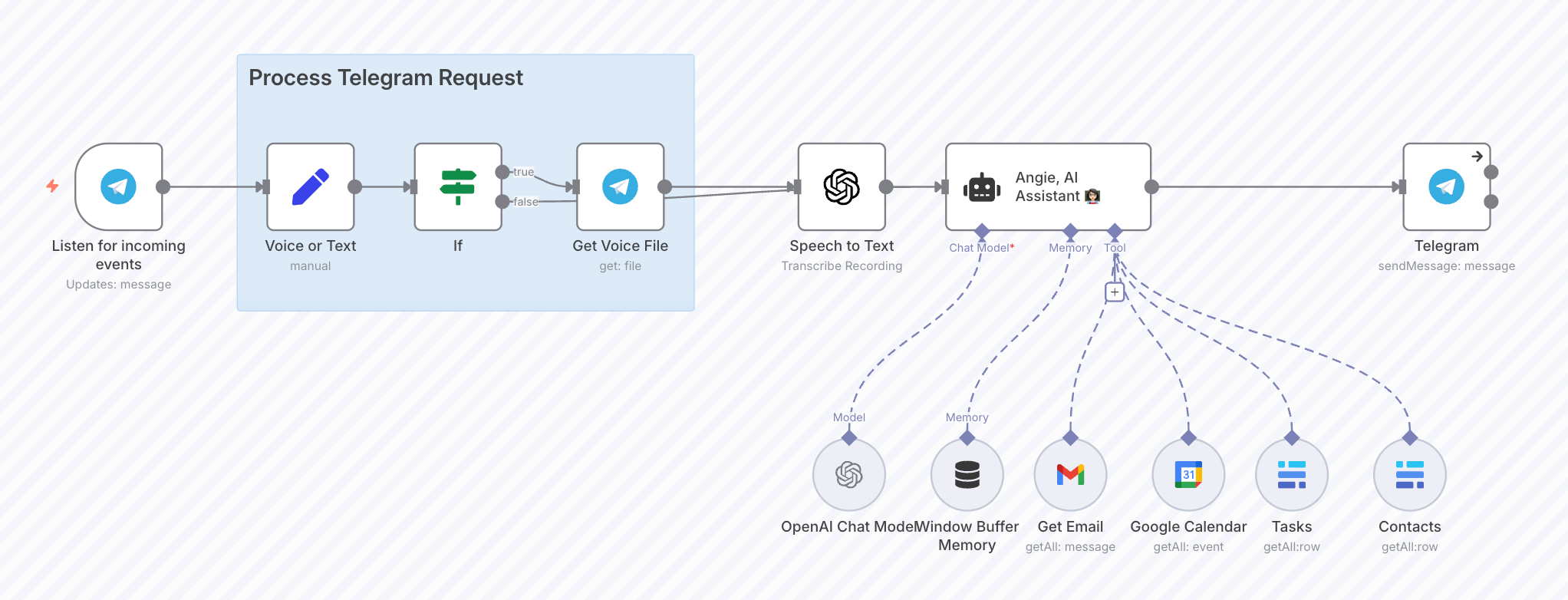
# The book's visual model

The execution loop of an autonomous Agent
---
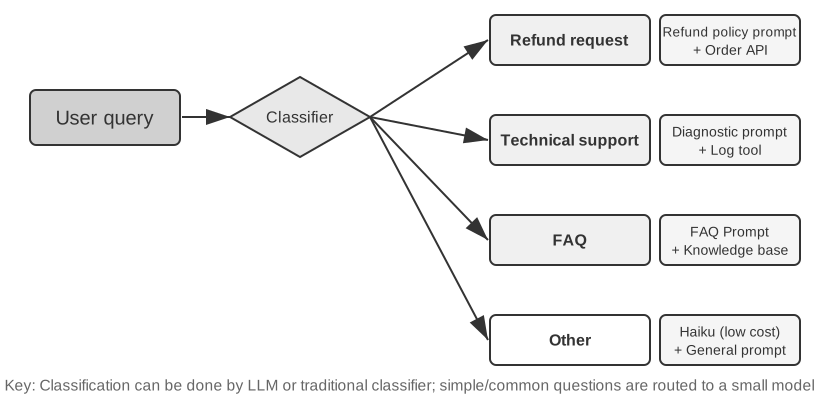
# Workflow vs. Autonomous Agent
Workflow
- Known stages
- Predictable control flow
- Easy to inspect
Autonomous Agent
- Open-ended plan
- Adaptive tool use
- Needs stronger verification
Use the least autonomous pattern that can solve the task.
---
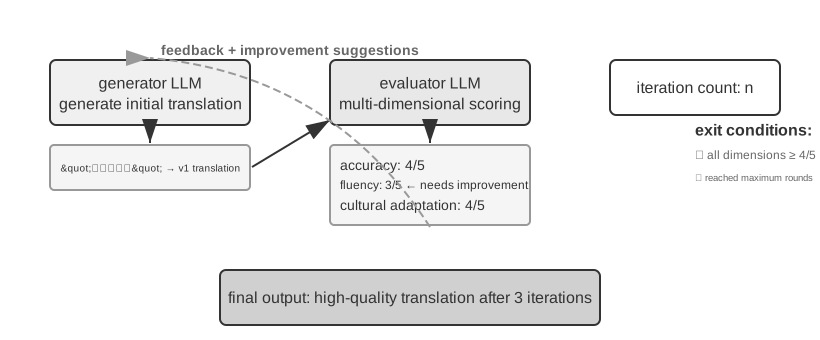
# Verification must observe the world
~~~python
proposal = agent.execute(task)
evidence = environment.inspect(proposal)
if not verifier.accepts(evidence):
agent.revise(evidence)
guardrails.check_before_commit()
~~~
---
# Test the claim
1-32 min
Inspect a search-and-code execution plan
Observe: Which work belongs to search, code, validation, and stopping logic
Demo budget: 2 minutes · one contiguous terminal block
---
class: course-terminal
---
Live demo
# Switching to the terminal
~~~bash
$ uv run python chapter1/search-codegen/main.py --backend openai --dry-run --request "Compare ASEAN capitals"
~~~
Run the command(s), narrate decisions, and point to the observation—not just the output.
---
# What the evidence supports
Finding 1
Most production code handles boundaries and failures rather than the happy path.
Finding 2
Independent observations add information that self-reflection cannot.
Finding 3
Model selection should follow an evaluation, not a reputation.
---
layout: center
---
Where the claim stops
# Boundary condition
A Harness can patch unstable behavior, but it cannot make an unverifiable goal objectively verifiable.
---
layout: center
---
Engineering takeaway
# Design rule
Prompts first, workflows second, autonomous Agents only where adaptation creates real value.
---
# Continue the experiment
---
layout: center
class: text-center
---
Pause and apply
# Your turn
Which failure in your Agent should be prevented, detected, recovered, or escalated?
---
layout: center
class: text-center
---
Chapter 1 complete · Next · Lesson 05
Move inside the context window and inspect what the API actually sends.
→